
Some people spend their careers chasing recognition. Others simply get to work, solving problems, showing up every day, and building things that last. And over time, without ever asking for it, they leave a mark that is impossible to ignore.
Mike is one of those people.
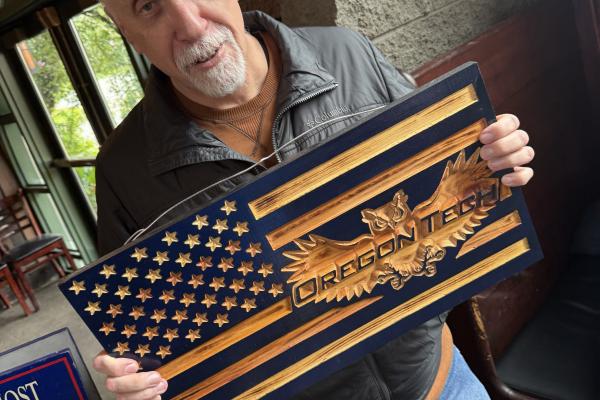
If you have spent time in Oregon, there is a good chance you have walked through, stood inside, or been impacted by something he helped build. Not because he was trying to make a name for himself, but because he focused on doing the work the right way. Practical, thoughtful, and built to last. That mindset started long before his career and was shaped during his time at Oregon Tech.
Growing up in Northeast Portland and attending Parkrose High School, Mike first discovered his interest in drafting, learning how to design by hand and think through how structures come together. When it came time to choose a college, the decision was simple. A conversation with a counselor pointed him toward either Oregon State or Oregon Tech.
He chose Oregon Tech without ever visiting campus.
Like many students, his first experience there was not a straight path. He began in mechanical engineering but quickly realized he was not prepared for the level of math required. While others moved forward, he had to step back and rebuild his foundation. Eventually, he made the difficult decision to leave and return to Portland, where he went to work in drafting, gained real-world experience, and began building a life.
But the unfinished goal of his degree never left him.
When Mike came back to Oregon Tech, it was with clarity and direction. He shifted into civil engineering technology with a structural focus, leaning into the type of work that made sense to him. There was no overcomplication and no hesitation this time. He simply committed to the process.
He and his wife returned to Klamath Falls, kept things simple, and focused on finishing what he started. With a steady approach and a clear goal, he completed his degree and graduated, proving that the path does not need to be perfect to be successful.
Mike’s career has always been rooted in practicality. From the early days of hand drafting to modern engineering tools, he developed a reputation for designing structures that work in the real world. His projects span communities across Oregon, including the , multiple locations, fire stations, and critical infrastructure.
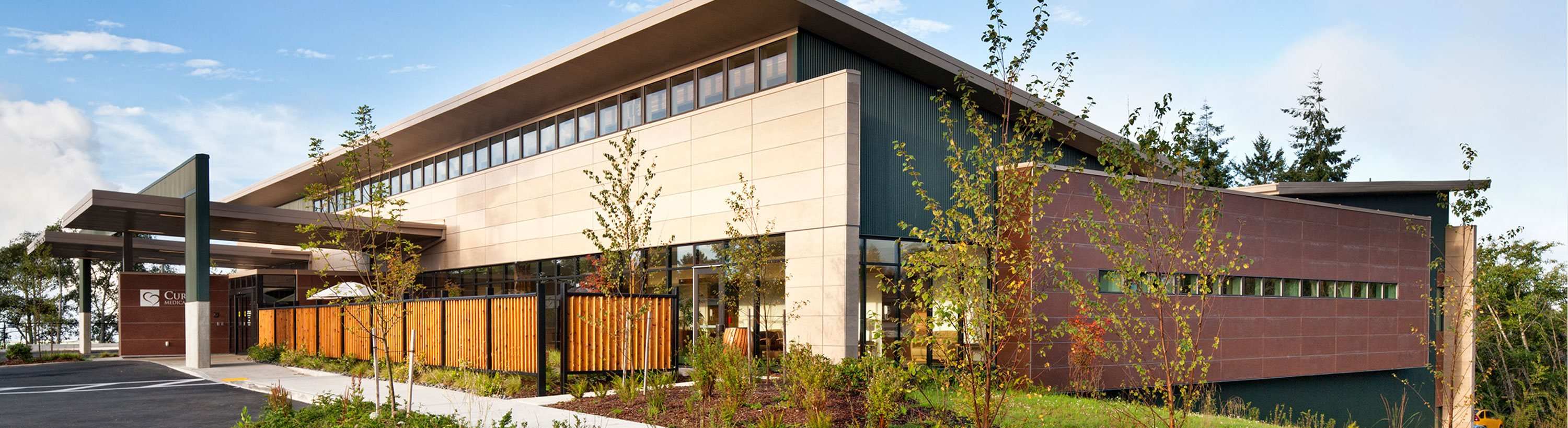
One project that stands out is a medical facility in Brookings, which helped expand access to healthcare for an entire region. At the time, it was simply another project to complete, but over time its true impact became clear. That is often the nature of engineering work. The results are not always immediate, but they shape communities in meaningful and lasting ways.
Throughout his career, Mike has focused on making things easier for the people who actually build and use what he designs. It is a simple philosophy, but one that defines his legacy.
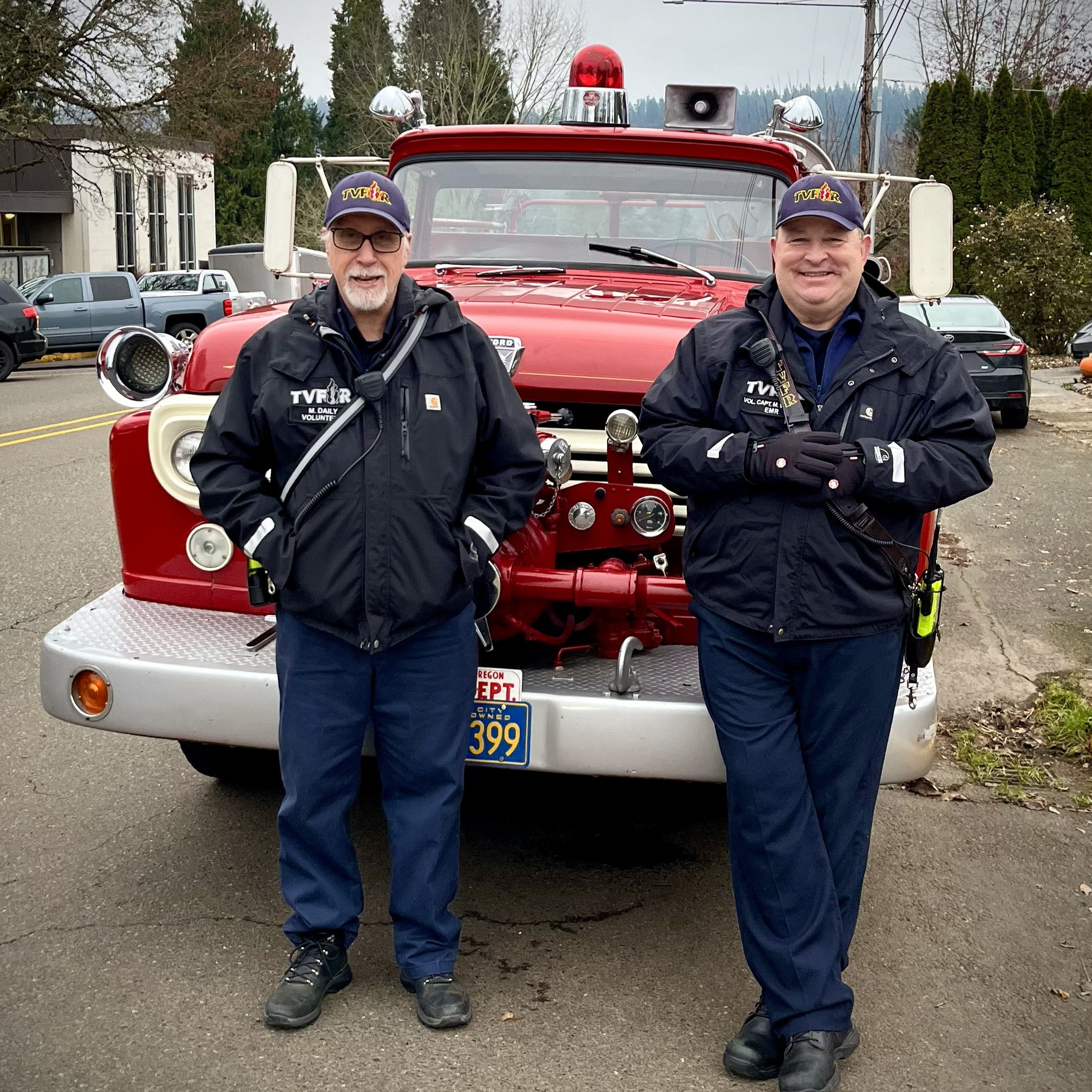
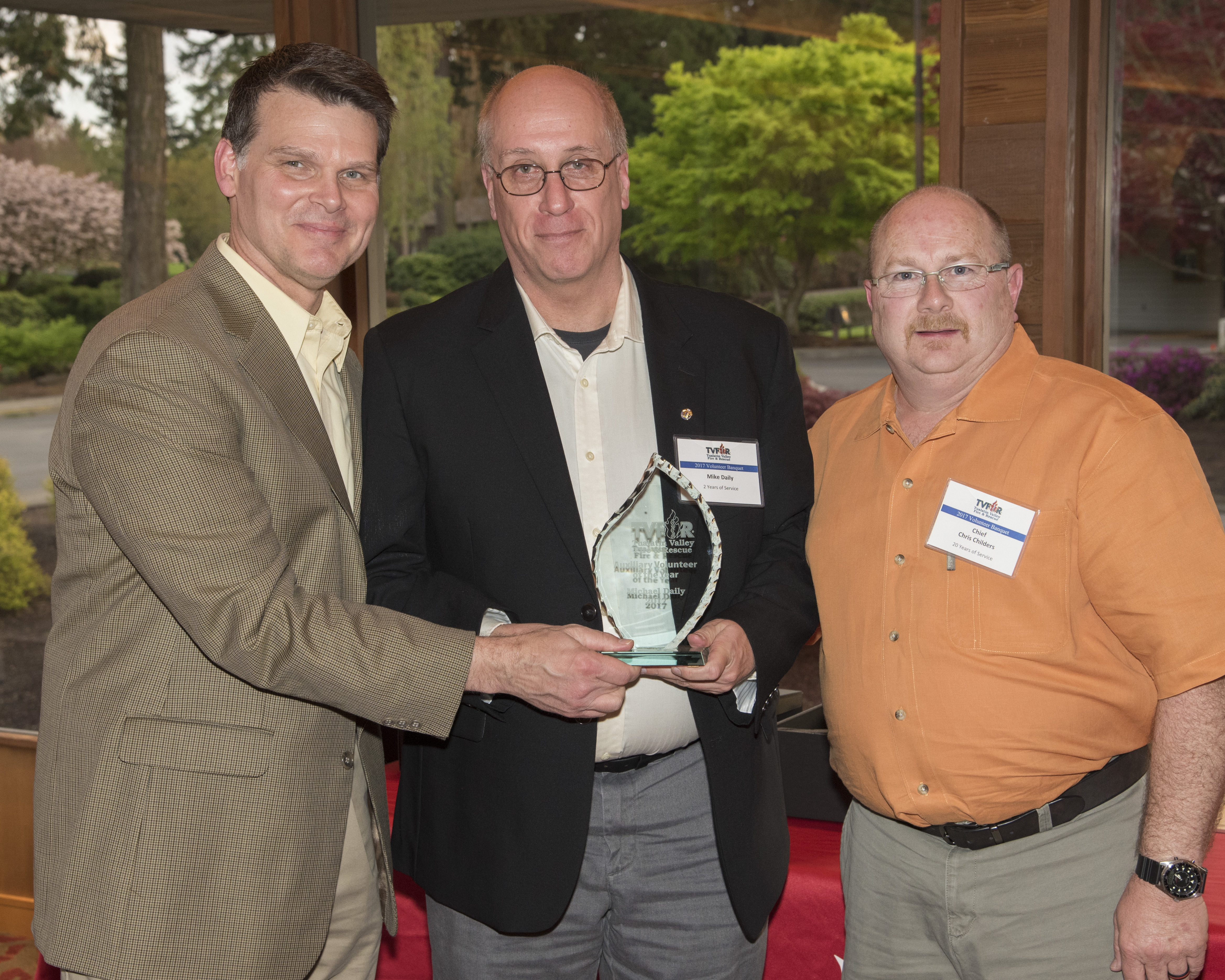
Beyond his professional work, Mike has always found ways to give back. Whether volunteering with local fire departments, mentoring students, or participating in programs like Architects in Schools, he has consistently shared his knowledge with others.
He has a way of making complex ideas simple. When explaining structural engineering to students, he often compares buildings to the human body, describing his work as designing the “skeleton” that holds everything together. It is a perspective that resonates because it connects technical work to something everyone understands.
Looking back on his journey, Mike emphasizes one skill above all others: communication. While technical expertise is essential, the ability to clearly share ideas, connect with others, and build relationships is what creates long-term success.
His experience with Toastmasters reinforced this lesson, helping him grow in confidence and effectiveness throughout his career. It is advice that reflects not only his professional success, but the values that have guided him along the way.