

For David Dean, technology has never just been about code. Throughout his career, he has focused on a deeper question: How do people interact with technology—and how does it change the way we work together?
That question has guided David from his early days as a student at Oregon Institute of Technology to his current work advising organizations navigating the rise of artificial intelligence. When David was deciding where to attend college, he knew one thing for certain: he wanted a learning environment where people mattered.
That search led him to Oregon Tech. David realized the university offered exactly the environment he was looking for. “The smaller classes and the direct interaction with instructors really stood out to me, it felt like a place where learning was personal.” He enrolled in 2000, initially studying software engineering before transitioning to Information Technology as the program evolved from Management Information Systems.
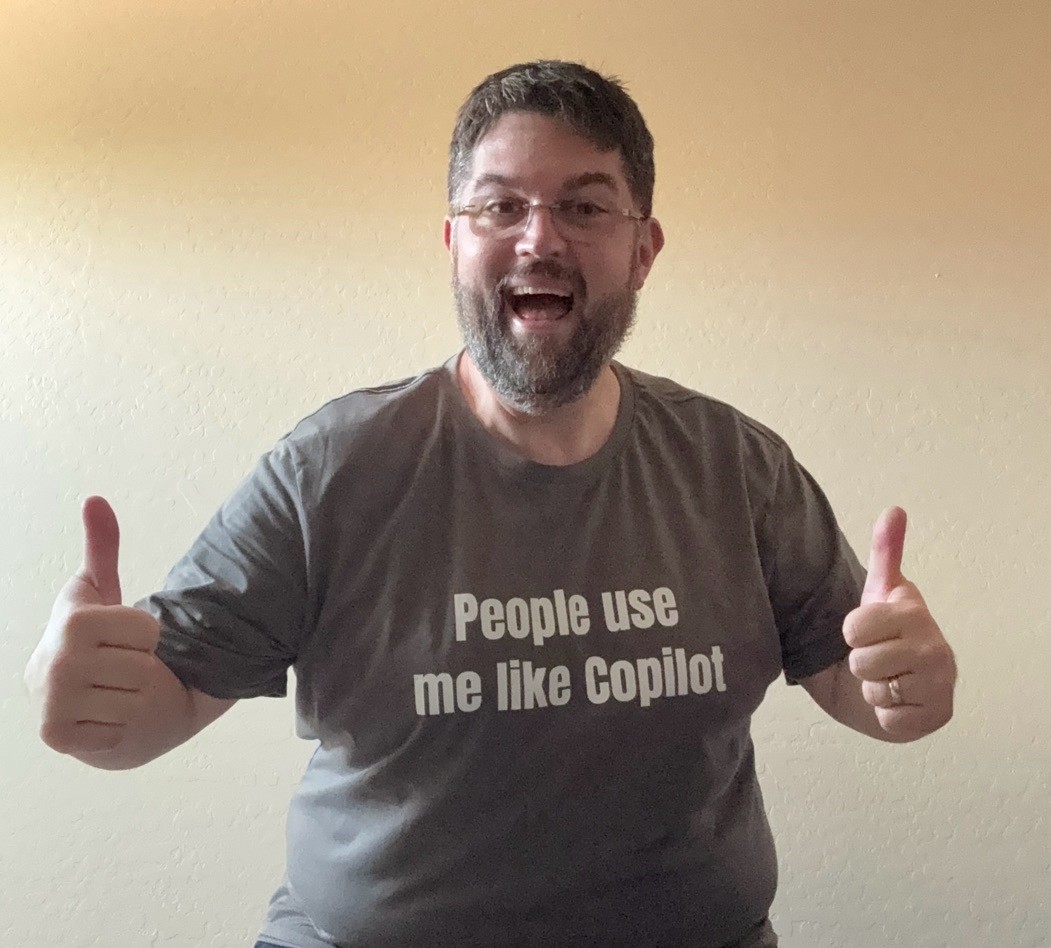
While David’s coursework gave him technical skills, some of the most meaningful lessons came from outside the classroom. One of the biggest influences was Oregon Technical Broadcasting (OTB), a student organization that produced creative programming and campus media. “It challenged me in ways I didn’t expect,” David said. “I was naturally shy and uncomfortable speaking in front of groups.”
“I realized technology is never just about systems or software, It’s about people working together.”
Through OTB, he quickly found himself doing exactly that. “Suddenly I was presenting, managing projects, and working with teams,” he said. “It helped me learn how to communicate with people and lead in real situations.” Those experiences changed the way he viewed technology.
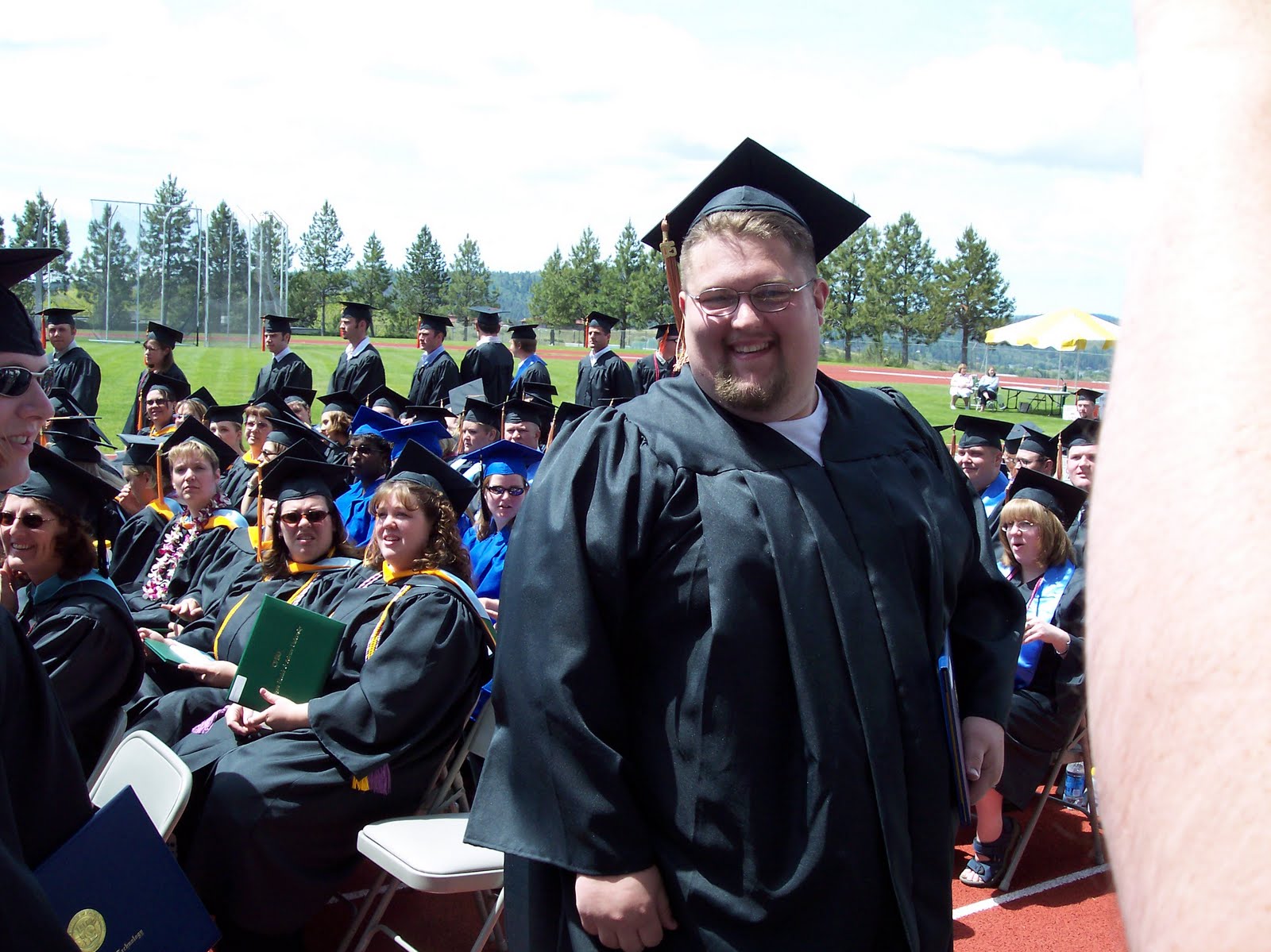
After graduating in 2004, David’s first career move reflected that philosophy. He became a high school technology teacher, teaching programming, computer hardware, and IT fundamentals. “It was a little strange at first,” he said. “Some of the students were only a few years younger than me.”
But the experience reinforced what he valued most: helping others learn. David also coached FIRST Robotics, guiding students as they designed and built competition robots. “We had students fabricating parts, writing code, and solving complex problems together,” he said. “It wasn’t just about engineering—it was about teamwork and confidence.”
Many of those students have gone on to impressive careers in engineering, medicine, and research. “Seeing where they ended up is incredibly rewarding,” he said.
David eventually transitioned from education into enterprise technology roles, working at institutions including Lewis & Clark College and the Oregon Department of Corrections. As he gained experience managing communication and collaboration platforms—systems like email, SharePoint, and cloud-based tools—he began to notice something interesting.
“The technology itself was only part of the story,” he said. The real challenge often involved understanding how organizations behaved. “I was working with hundreds of teams across different departments,” he said. “You start to see patterns in how people communicate, how decisions get made, and how technology shapes those interactions.”
Over time, David specialized in designing large-scale collaboration systems and cloud infrastructure for major organizations, supporting workforces of tens of thousands of employees. But the central theme remained the same. “The success of technology almost always depends on human behavior,” he said.
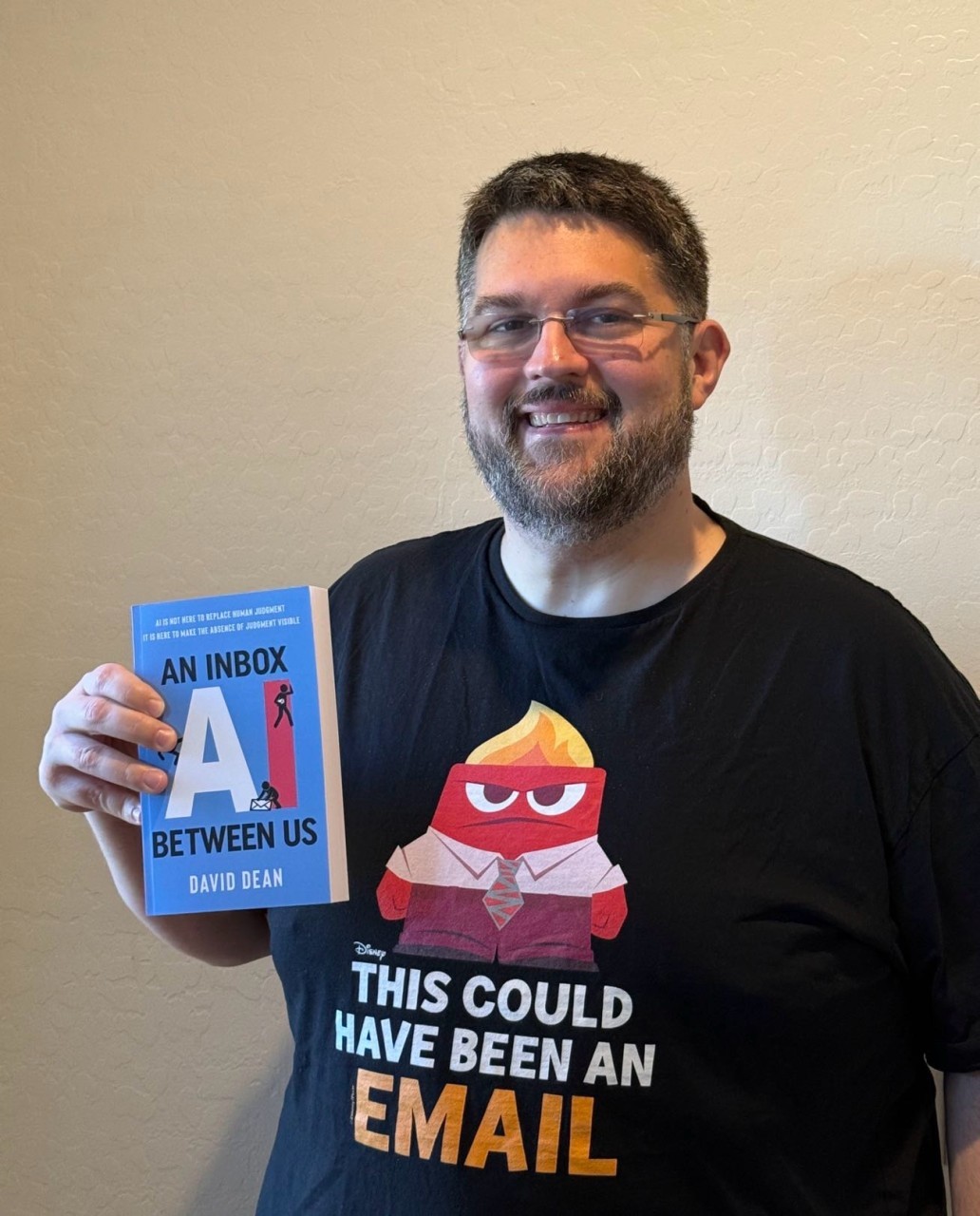
In recent years, David has focused on one of the most significant technological shifts of our time: artificial intelligence. As companies rushed to adopt AI tools, he noticed a growing gap between technical discussions and the everyday reality employees were facing. “Many people were asking the same question,” he said. What does this actually mean for my job and my team?
David began documenting his observations from years of working with organizations and leadership teams. Those reflections eventually became his book:
An Inbox Between Us
The book explores how AI is entering one of the most fundamental parts of modern work, communication. “No matter how much technology evolves, companies still run on three things: email, documents, and spreadsheets,” David said. “AI is now entering that space.” Rather than focusing on technical instructions or predictions about automation, his book examines the human dynamics of AI in the workplace. “It’s about leadership, trust, and how people collaborate, organizations are essentially adding a new ‘participant’ to the conversation.” Understanding that transition, he believes, will be essential for the future of work.
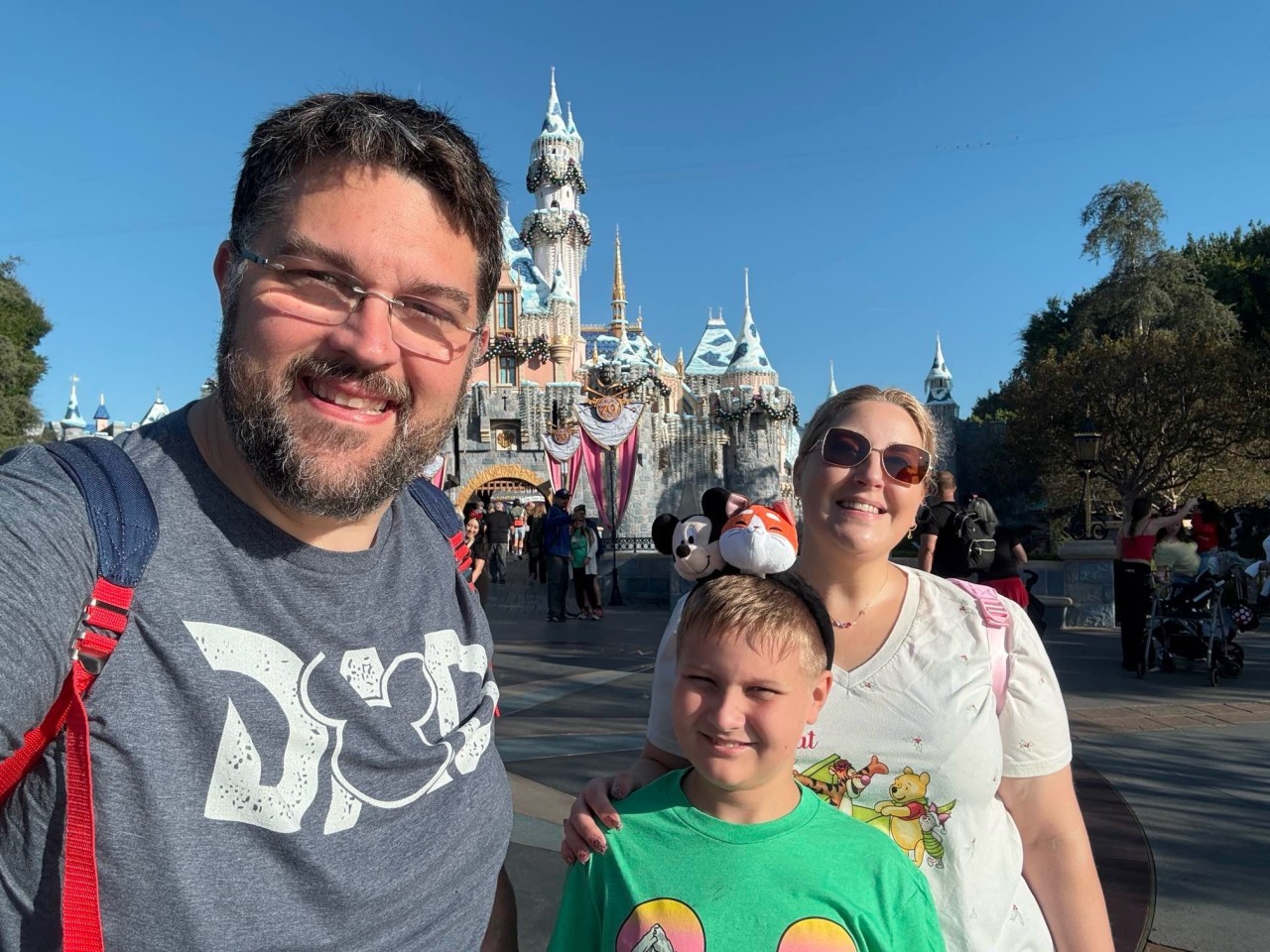
David now lives in Arizona with his wife, Emilie, and their 10-year-old son, Steven. Like his father, Steven has already developed a passion for technology. "He’s teaching himself programming and loves robotics,” David said. “He even collects old cell phones as a hobby.” Outside of work, the family enjoys traveling and has explored destinations across Europe. They also share a love of Disney parks—having visited locations around the world.
While David continues to work in enterprise consulting and AI strategy, he already knows what he hopes to do later in his career. “I’d love to return to teaching someday,” he said. Helping people understand technology and how it affects human interaction remains his greatest passion.